

2184 Views Feb 04 linda-admin
Obviously, the assessment of hair transplant surgeries is based on density or coverage. The hairline is a definitive feature that distinguishes natural from artificial hair transplant outcomes. A good hairline design has to match facial features and hair growth very well. Therefore, hairlines look unnatural, making it difficult to have aesthetically appealing hair transplant surgeries. The importance of hairlines provides a better view of how expertise transforms hair transplant surgery.
What’s the Most Critical Step in Hair Transplant Surgery?
Hair transplants are not simply grafting hair follicles from one place to another on your scalp. It requires proper consultations, assessments, and planning so that your transplant is done perfectly. This blog will tell you what the important part of the whole process is and why it’s hairline design.
Why Hairline Design Defines Natural Appearance
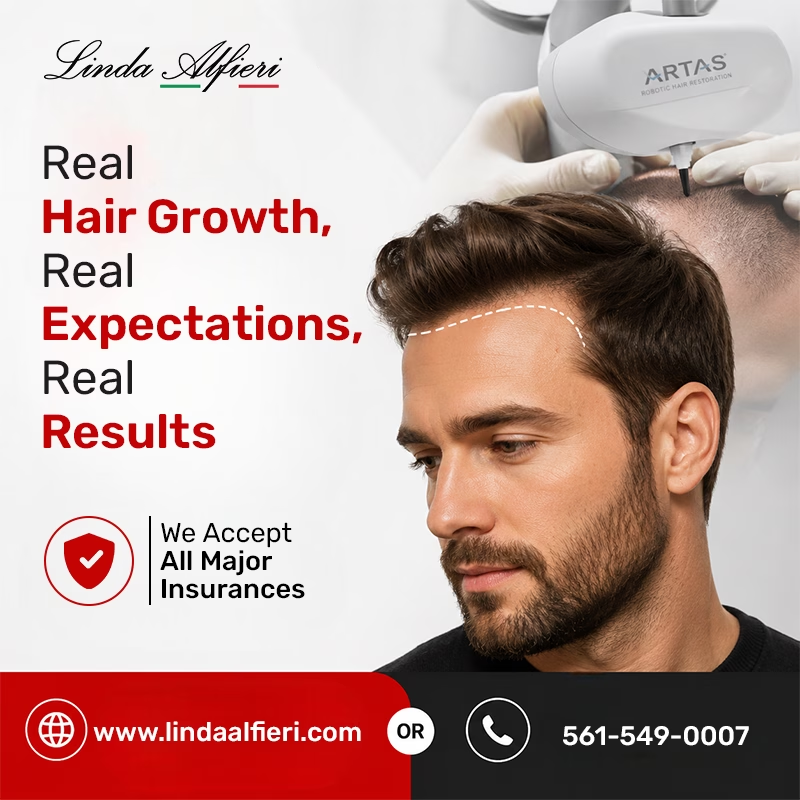
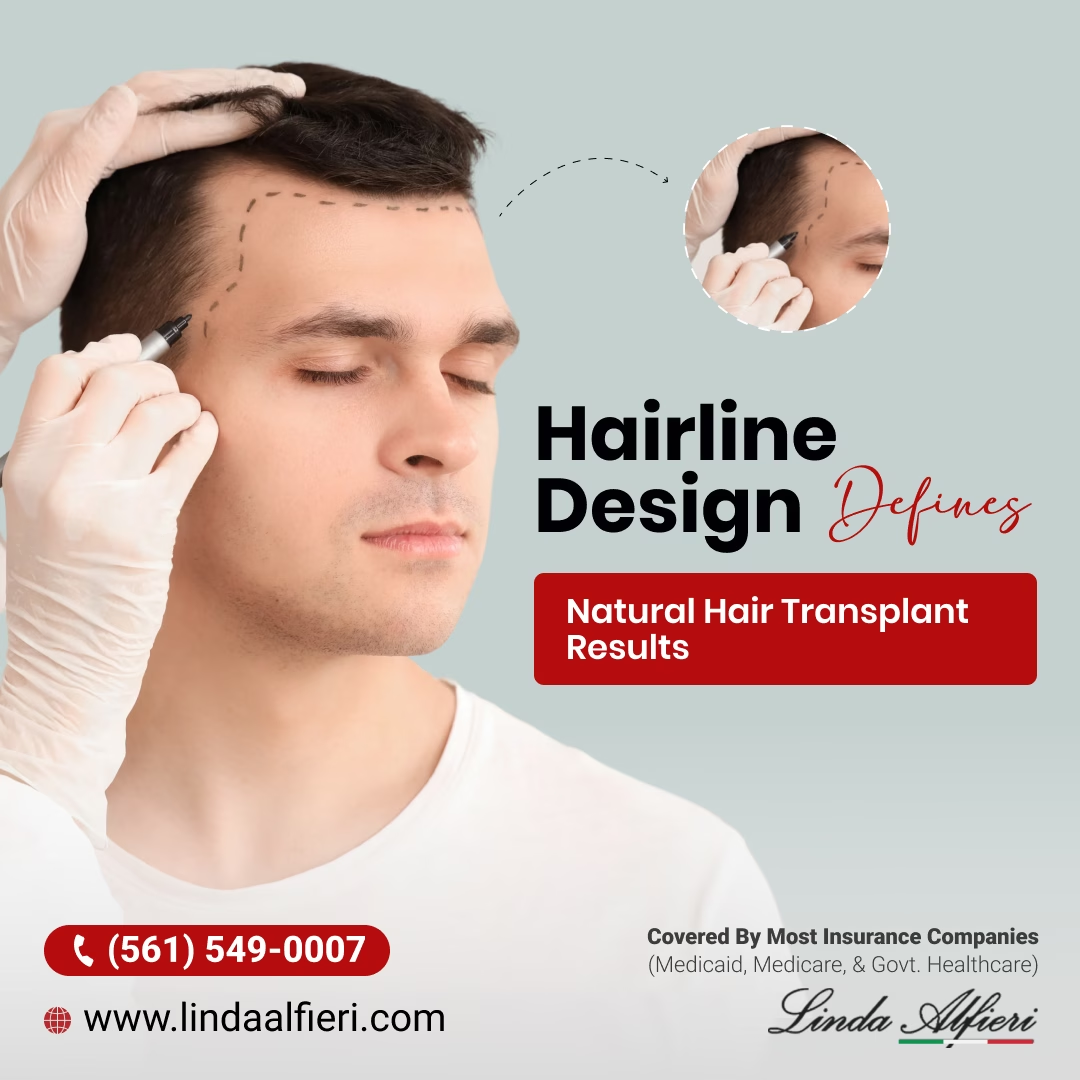
The hairline is the visual boundary between the face and the scalp. It determines facial proportions and affects how young or mature a person looks. In hair transplant surgery, the hairline should replicate natural irregularities rather than follow a straight or symmetrical pattern. Experts analyze facial structure, forehead height, and existing hair patterns to create a hairline that complements individual characteristics while maintaining a reliable aesthetic balance.
The Role of Facial Anatomy in Hairline Planning
Every face has unique proportions that determine the correct position of its hairline. Specialists evaluate bone structure, forehead shape, and facial symmetry before designing the hairline. The hairline requires correct positioning because a low placement creates an unnatural look, which becomes hard to manage during hair loss. The placement of a hairline at an excessive height reduces the transplant’s visual effect because it makes results seem partial even when all grafts are properly placed.
Understanding Natural Hair Growth Patterns
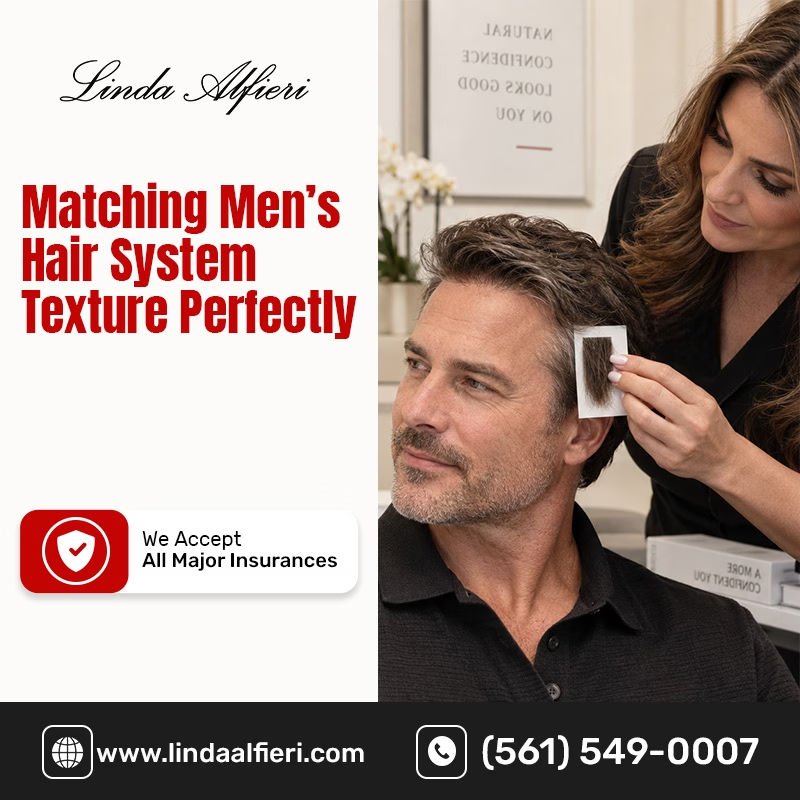
Natural hairlines aren’t perfectly straight; they have slight imperfections and varying hair density for a realistic look. During thinning hair treatments, experts carefully position grafts to copy natural hair growth, using soft transitions and density changes so the new hair blends well and styles naturally.
Balancing Density and Long-Term Hair Loss Progression
While density is important for hairline design, too much density can detract from the natural appearance. Surgeons have to weigh the long-term patterns of hair loss against the immediate visual impact. Hairline design must account for future thinning because hair loss frequently extends beyond the transplanted area. In addition to protecting donor hair resources, strategic graft distribution guarantees that the hairline will remain sustainable and proportionate even as the surrounding hair changes over time.
Age-Appropriate Hairline Design
Age plays a crucial role in shaping the position and appearance of a hairline. Younger individuals often seek lower hairlines, but if the design is too youthful, it can look unnatural as they grow older. That’s why experts focus on creating hairlines that are suitable for a person’s age and can adapt gracefully over time. This method helps avoid a stark difference between transplanted hair and natural hair, ensuring a balanced look as the person ages and minimizing the chances of needing corrective procedures down the line.
The Importance of Artistic and Medical Expertise
The development of hairline design requires both medical accuracy and creative expertise. Surgeons are required to use their knowledge to create a realistic hairline. Although sophisticated tools can aid specialists in visualizing their medical results before procedures, technical skills are insufficient to replace experience in learning how modifications in hair shape, standing position, and density can eventually affect facial aesthetics.
Psychological Impact of a Well-Designed Hairline
A natural hairline greatly impacts self-esteem and identity. People see a good hairline as regaining youth. An authentic-looking hairline helps people feel at ease socially and professionally. This change shows why hairline design matters so much for the emotional and aesthetic success of hair transplants.
Know more about the economics of hair transplant from our other blog here.
Conclusion
Hairline design is the foundation of successful hair transplant surgery. It determines whether results appear natural, balanced, and sustainable over time. By integrating facial anatomy, natural growth patterns, age considerations, and long-term planning, experts create hairlines that enhance both appearance and confidence.
With precise design and expert execution, hair transplant surgery achieves outcomes that extend beyond hair restoration to redefine facial aesthetics and personal identity. Visit Linda Alfieri Surgical and Non-Surgical Hair Restoration & Cosmetic Center to get your hair transplant consultation today!