

658 Views Mar 03 linda-admin
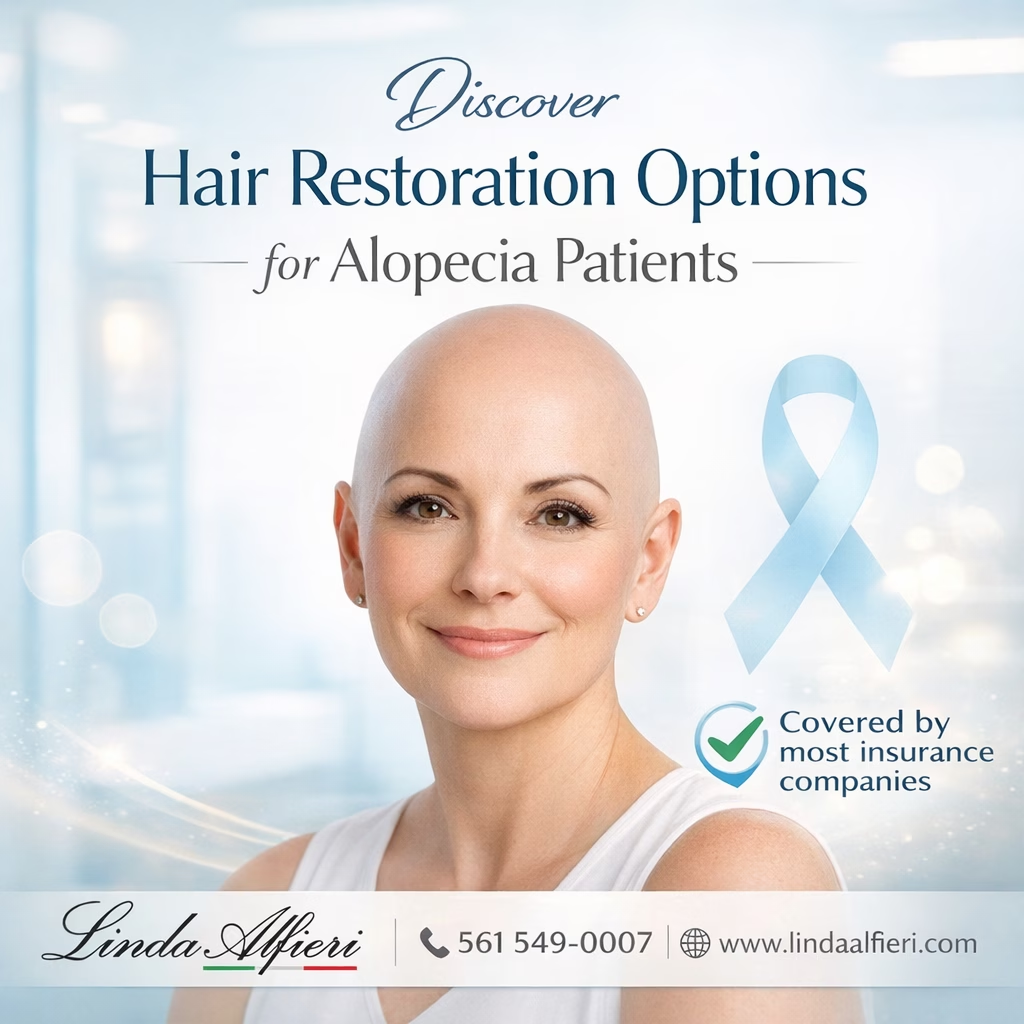
Alopecia is a medical condition that causes hair loss due to immune system activity, genetics, or underlying health factors. Many forms of alopecia primarily affect the scalp. Hair loss may appear as patchy thinning, expanding bald areas, or complete scalp hair loss. The progression varies widely among individuals.
Some patients experience temporary hair loss with regrowth, while others face persistent thinning. Understanding how scalp alopecia develops helps patients choose appropriate hair replacement in Boca Raton, Florida, and manage the condition effectively.
Hair Loss Issues Associated With Scalp Alopecia
The following are the major scalp alopecia types you need to know to better understand the condition.
Alopecia Areata and Patchy Scalp Hair Loss
Alopecia areata is one of the most common scalp-related forms. The immune system mistakenly attacks healthy hair follicles on the scalp. This reaction disrupts the hair growth cycle and causes round or oval bald patches. Hair loss often appears suddenly. The patches may remain small or expand gradually. Hair follicles usually stay alive beneath the skin, which means regrowth remains possible. However, recurring immunity activity may trigger repeated cycles of hair loss and regrowth.
Alopecia Totalis and Complete Scalp Hair Loss
Alopecia totalis is a more advanced form that affects the entire scalp. In this condition, individuals lose all scalp hair due to a strong autoimmune response targeting hair follicles. Although follicles remain present under the skin, they remain inactive. Regrowth may occur in some patients, but the process is unpredictable. Many individuals with alopecia totalis require long-term management or cosmetic solutions for hair restoration in Boca Raton.
Diffuse Alopecia and Widespread Thinning of the Scalp
Some alopecia cases appear as diffuse thinning rather than patchy bald spots. Hair gradually loses density across large areas of the scalp. This form may result from immune activity, hormonal changes, or severe stress on the hair growth cycle. Diffuse alopecia often develops slowly. Patients may first notice reduced hair volume, wider hair parting, or increased shedding. Early intervention improves the likelihood of restoring follicle activity.
Hair Restoration Solutions for Scalp Alopecia
If you are hoping to restore your hair, you can try any of the following methods according to eligibility, scalp condition, and other factors. Proceed only after proper clinical consultation.
Platelet-Rich Plasma Therapy
Platelet-rich plasma therapy is a regenerative treatment designed to stimulate scalp follicles. Doctors draw a small amount of blood and process it to concentrate platelet-rich plasma. This plasma contains growth factors that support tissue repair. Medical professionals inject the PRP into areas of scalp hair loss. The growth factors improve circulation around follicles and encourage dormant follicles to reenter the growth phase. Patients typically undergo several sessions to achieve visible improvements in hair thickness and density.
Low-Level Laser Therapy
Low-level laser therapy uses controlled light energy to stimulate hair follicle activity. Laser devices improve blood circulation and cellular metabolism in the scalp. Patients often use laser caps or clinical devices several times each week. The therapy is painless and non-invasive. While it does not cure autoimmune triggers, it can strengthen follicles and support gradual hair regrowth when follicles remain active.
Hair Transplant Surgery
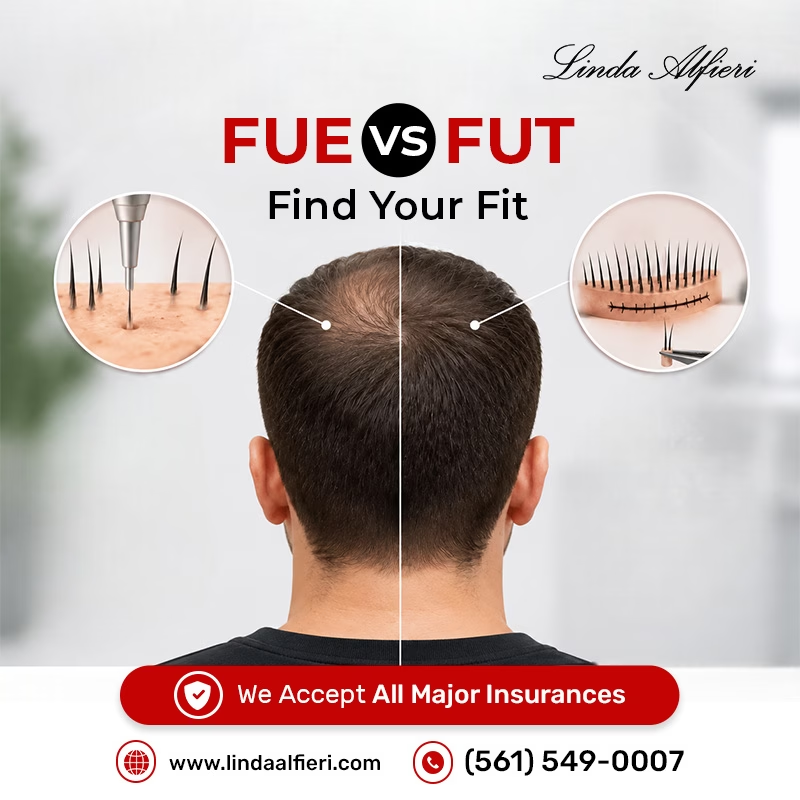
Hair transplant in Boca Raton Florida, can restore hair in stable areas of scalp alopecia. Surgeons relocate healthy follicles from donor areas, usually the back or sides of the scalp, to bald regions. Modern procedures rely on follicular unit extraction techniques. Surgeons place individual follicle units carefully to recreate natural hair growth patterns, including hairline design. However, transplant surgery works best when the alopecia condition has stabilized, and donor hair remains strong.
Non-Surgical Hair Replacement Systems
Patients with extensive scalp hair loss often choose non-surgical hair replacement systems. These custom hair prosthetics replicate natural hair density, color, and texture. Specialists design the systems to match the patient’s scalp shape and hairline. The systems attach securely and allow normal daily activities. This option offers immediate visual restoration without surgical procedures.
Scalp Micropigmentation
Scalp micropigmentation is a cosmetic solution that creates the appearance of hair follicles using specialized pigments. Practitioners apply small pigment dots across the scalp to replicate natural hair stubble or increase the illusion of density. The procedure does not produce real hair growth. However, it improves the visual appearance of thinning or bald areas and provides a natural-looking scalp.
Managing Scalp Alopecia Effectively
Scalp alopecia varies in severity and progression. Some individuals experience small patchy hair loss with potential regrowth. Others develop extensive scalp hair loss that requires long-term management. Successful hair replacement in Boca Raton Florida, often involves combining medical therapies, regenerative treatments, and cosmetic solutions.
Consulting experienced hair restoration specialists from clinics like Linda Alfieri Surgical and Non-Surgical Hair Restoration & Cosmetic Center helps. We allow patients to evaluate options carefully and choose treatments suited to their scalp condition and expectations while also offering insurance coverage!